Big Sister Daisy Embroidery: A Designer's Review for Small Business
As an experienced embroidery designer who has spent years refining digital files for commercial production, I know that selecting the right design asset is about more than just aesthetics. It is a strategic decision that impacts your brand identity, production costs, and customer trust. Today, I am reviewing Big Sister Daisy Embroidery, a design that promises to make the big moment even sweeter with its adorable "Big Sister" theme. But does it hold up when moved from a personal gift idea to a core component of small business merch? Let's dive into the technical and creative realities of using this piece in a professional setting.
First Impressions: The Visual Personality of the Design
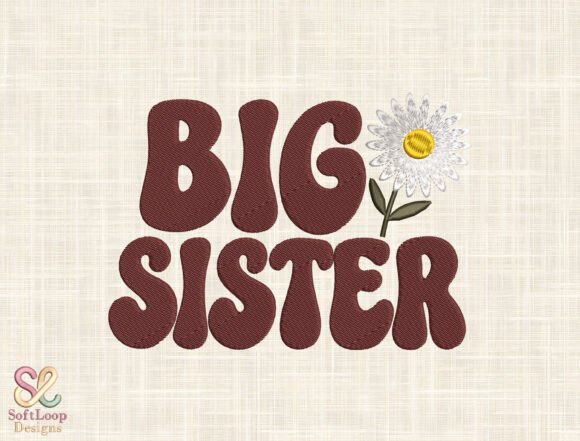
When I first opened the file for Big Sister Daisy Embroidery, the immediate feeling was one of playful nostalgia. The description highlights bold, retro-inspired bubble lettering paired with a charming daisy accent. In the world of embroidery, bubble letters are a double-edged sword; they can look incredibly fun and approachable, or they can appear amateurish if the stitch density is off. Based on the visual cues provided, this design leans heavily into a friendly, handmade aesthetic rather than a sleek, corporate minimalism.
The inclusion of the daisy accent adds a touch of elegance without being overly formal. This combination suggests a brand personality that is warm, welcoming, and perhaps a bit whimsical. For businesses like bakeries, florists, or boutique clothing shops, this vibe is gold. It signals to the customer that the brand cares about details and creates experiences that feel personal. However, if you are running a high-end luxury brand or a serious corporate uniform line, this retro style might clash with your existing visual consistency. It is best suited for brands that want to project a sense of community and joy.
Real-World Applications for Small Business Merch
So, where does Big Sister Daisy Embroidery truly shine in a commercial environment? The versatility of this design makes it a strong candidate for various product categories, particularly those targeting families, events, and lifestyle branding.
- Embroidered Patches: This design would work exceptionally well as a sew-on patch for denim jackets, tote bags, or backpacks. The bold lettering ensures visibility even at smaller sizes, making it perfect for a "staff badge" or a limited edition collector item for a local craft fair.
- Caps and Hats: The retro bubble font translates beautifully to cap fronts. Whether used for a family reunion team or a promotional giveaway for a coffee shop, the design stands out against the curved surface of a hat.
- Apron Embroidery: For bakeries, cafes, or culinary schools, placing this design on the chest of a white apron creates an instant connection with customers. It humanizes the staff and adds a layer of charm to the service experience.
- Tote Bag Design: As a staple of eco-friendly marketing, a tote bag featuring Big Sister Daisy Embroidery serves as a walking advertisement. The design is distinct enough to be recognized from a distance but simple enough to not overwhelm the canvas fabric.
- Custom Apparel and Event Merch: If you host workshops, markets, or family-oriented events, this design is ideal for t-shirts and hoodies. It appeals directly to the "Family Quotes" category, resonating with parents looking for matching outfits or commemorative gear.
Strategic Considerations and Potential Pitfalls
While the design is charming, a professional review must address where it requires careful handling. Not every surface is suitable for every machine embroidery design. There are specific scenarios where Big Sister Daisy Embroidery might struggle if not executed correctly.
One major concern is stitch density. Retro bubble letters often require significant fill stitches to maintain their shape. If the file is too dense, it can cause puckering on lightweight fabrics like thin cotton tees or sheer linens. Additionally, if you plan to use this on dark uniforms, you must ensure the thread colors have sufficient contrast. The yellow daisy mentioned in the description might get lost on a black shirt unless a bright, contrasting thread is used.
Another critical factor is the hoop size and the physical dimensions of the design. If you intend to create tiny patches or use the design as a subtle sleeve detail, you need to verify that the lettering remains legible. Tiny text in bubble fonts can sometimes blur together during the digitizing process. Furthermore, textured fabrics like heavy denim or fleece can distort fine outlines, so testing on the actual material is non-negotiable before mass production.
Impact on Brand Identity and Customer Trust
In the competitive landscape of handmade products and Etsy selling, visual presentation is everything. Using a cohesive design like Big Sister Daisy Embroidery across multiple touchpoints—from your website printable mockups to your physical packaging accents—builds a stronger brand identity. When a customer sees the same charming daisy motif on a tote bag, a hat, and a product label, it reinforces recognition and professionalism.
This level of consistency tells the buyer that you pay attention to quality. It elevates the perceived value of your finished product. A custom embroidered patch or logo on a garment feels more premium than a printed sticker. It suggests durability and care, which fosters customer trust and encourages repeat engagement. By integrating this design into your small business merch, you are not just selling a product; you are selling an emotional connection rooted in the "big sister" theme of support and growth.
Essential Designer Notes for Production
Before you commit to a full run of commercial embroidery projects, follow these practical steps to ensure success. These tips are crucial for avoiding costly mistakes and ensuring your embroidery file performs as expected.
- Test in Black and White First: Convert your design to grayscale to check the balance of the stitches. This helps identify areas that might be too light or too dark once colored.
- Verify Stitch Density and Spacing: Inspect the spacing between the letters and the daisy. Ensure there is enough room for the needle to move without skipping stitches, especially around the curves of the bubble letters.
- Check Hoop Size Constraints: Confirm that the design fits within your standard hoop sizes for the items you are producing. If the design is too large for a cap front, you may need to resize or re-digitize it.
- Use Proper Stabilizer: The stability of the final result depends heavily on the stabilizer used. For stretchy fabrics, a cut-away stabilizer is often necessary to prevent distortion over time.
- Create a Printable Mockup: Before stitching a single sample, create a digital mockup to show clients or stakeholders. This allows for approval on placement and color schemes without wasting materials.
- Review Thread Color Contrast: Ensure the chosen thread colors pop against the background fabric. The yellow daisy needs to stand out clearly to maintain the playful vibe.
- Confirm Commercial Licensing: Always read the terms of the digital embroidery file purchase. Verify that you have the rights to use Big Sister Daisy Embroidery for resale items and branded merchandise.
By treating Big Sister Daisy Embroidery with the same rigor as any other critical design asset, you can transform a simple graphic into a powerful tool for your business. Whether you are creating custom apparel for a new season or adding a special touch to your event merchandise, this design offers a delightful blend of retro charm and modern appeal. Just remember to test, stabilize, and plan carefully to ensure your final product reflects the high standards your customers expect.