Cute Blue Whale Embroidery Design Review
When I first opened the file for the Cute Blue Whale Embroidery Design, my immediate reaction wasn't about stitch counts or file formats. It was about the mood. There is a specific kind of warmth that comes from a well-executed marine character, and this design captures it perfectly. As someone who has stitched hundreds of designs for clients ranging from boutique clothing lines to personalized nursery decor, I know that "cute" can easily veer into "cheap" if the execution isn't sharp. This design, however, strikes a balance that feels professional yet playful.
The visual personality of the whale is gentle and inviting. The shape flows naturally, avoiding the blocky angles that often plague lower-quality digitizing. It screams "handmade," which is exactly what we want when building trust with customers on platforms like Etsy or at local craft fairs. But does it hold up when moved from the screen to the hoop? Let's dive into how this embroidery file performs in real-world scenarios.
From Digital File to Finished Product
I recently tested this Cute Blue Whale Embroidery Design on a custom project intended for a small shop selling baby gear. The goal was to create a set of matching bibs and a soft burp cloth for a gift box. In these applications, the design needs to be durable enough to withstand frequent washing but delicate enough not to overwhelm the fabric.
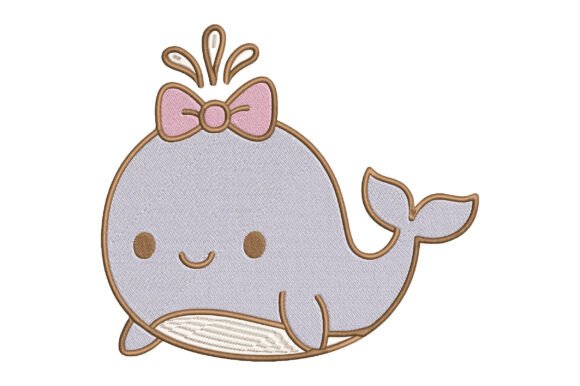
The stitching clarity on the whale's features was impressive. The eyes, which are often the most critical part of any character design, came out distinct without looking muddy. The use of satin stitch for the outlines gave the whale a defined edge that pops against the fabric, while the fill stitch areas provided a nice texture that mimics the smoothness of the animal's skin. When I held the finished product, the tactile quality felt substantial, adding perceived value to the final item.
This level of detail makes the machine embroidery design an excellent choice for custom apparel where you need to make a statement without being loud. Whether you are creating a tote bag design for a summer market or a sweatshirt embroidery piece for a cozy winter collection, the design translates well across different garment types. It brings a sense of whimsy that appeals to parents looking for unique personalized gifts.
Where This Design Shines
If you are running a craft business or managing a small shop product line, knowing where your assets fit is crucial. The Cute Blue Whale Embroidery Design finds its natural home in the Nursery category, but its versatility extends far beyond just baby items.
- Baby Embroidery: The soft curves and friendly expression make it ideal for onesies, blankets, and pillow covers. It creates an instant connection with buyers looking for commercial embroidery projects that feel personal.
- Holiday Embroidery: Imagine this design on a holiday stocking or a festive kitchen towel. The blue tones work beautifully with winter themes, making it a versatile asset for seasonal collections.
- Accessories: For Etsy sellers focusing on accessories, this design works wonders on caps, aprons, and even as an embroidered patch for denim jackets. It adds a touch of character to otherwise plain items.
- Digital Assets: If you sell digital embroidery files or create printable mockups for clients, this design serves as a high-quality example of what is possible with proper digitizing.
In every scenario, the design elevates the finished product. It doesn't look like a clip-art sticker slapped onto fabric; it looks integrated. This integration is key to maintaining brand consistency and ensuring that your handmade product stands out in a crowded marketplace.
Practical Considerations and Potential Pitfalls
However, no design is universally perfect, and as an experienced reviewer, I need to point out where caution is required. While the Cute Blue Whale Embroidery Design is robust, certain contexts demand careful planning.
Small Hoop Sizes: If you are working with very small hoops, such as those used for cufflinks or tiny patches, you must verify the density of the stitches. While the main body of the whale is likely fine, check the smaller details like the tail flukes or facial features. On a very small scale, intricate details can sometimes merge together, losing their definition.
Fabric Texture and Stretch: This design relies on clear lines and smooth fills. On highly textured fabrics like heavy bouclé or thick fleece, the stitches might not lay flat, obscuring the details. Similarly, on stretchy fabrics like jersey knits, you need to ensure you are using the right type of stabilizer to prevent puckering. If the fabric stretches during the process, the whale could end up distorted, ruining the visual appeal of the piece.
Dense Stitch Areas: While the fill is generally well-balanced, extremely dense areas can become stiff. If you plan to place this design on a flexible item like a hat or a fitted t-shirt, consider the comfort factor. A overly stiff patch on the back of a child's neck can be uncomfortable. Always test the stiffness on a scrap piece before committing to a full production run.
Dark Fabrics: The design appears to feature lighter blues. If you intend to use this on dark backgrounds, you will need to carefully select your thread colors and potentially add a underlay or a light background layer to ensure the whale remains visible. Without proper contrast, the design might get lost, diminishing the impact of the embroidery project.
Designer Notes for Success
Before you start stitching, here are some practical steps to ensure your embroidery project goes smoothly. First and foremost, always test the design on a scrap of the same fabric you intend to use. This allows you to see how the running stitch and other elements interact with the material.
Check your hoop size relative to the design dimensions. Using a hoop that is too large can cause unnecessary movement, while one that is too small can lead to incomplete stitching. Ensure you are using the correct stitch density for your machine; if the design feels too tight, you may need to adjust the settings or choose a different stabilizer.
Inspect the small details closely. Sometimes, what looks good on a monitor can appear slightly different once stitched. Test the design in black and white mockups to see if the contrast holds up. Also, compare how it looks on both light and dark fabric backgrounds to ensure versatility.
Finally, confirm your licensing terms. Are you allowed to sell finished items made with this embroidery file? Does the license cover commercial use for your small shop product line? Understanding these terms protects your creative entrepreneur status and ensures you are operating within legal boundaries.
The Cute Blue Whale Embroidery Design is a strong addition to any designer's library. It offers a blend of charm and professionalism that resonates with buyers. By paying attention to fabric choices, stabilization, and testing, you can turn this digital asset into a stunning physical reality that delights customers and builds your reputation as a skilled maker.